
Free Phlebotomy Practice Test – 20 Questions
Welcome to this free beginner phlebotomy practice test, created for anyone preparing for certification in 2026. With 20 carefully designed questions, you get an interactive way to review essential phlebotomy skills. You can use this quiz whether you’re just starting your training or doing a quick review before your exam day.
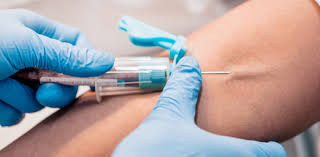
✔ Perfect for phlebotomy students aiming to ace their certification.
✔ A fast, effective way to boost your phlebotomy skills.
Beginner Phlebotomy Practice Test – 20 Questions
A beginner phlebotomy practice test helps students review the basic knowledge required for blood collection procedures and laboratory safety. These quizzes are commonly used by learners enrolled in phlebotomy training programs or individuals preparing for certification exams in the United States.
Phlebotomy certification exams are offered by professional credentialing organizations such as the National Healthcareer Association and the American Society for Clinical Pathology. While exam formats may vary slightly between organizations, most assessments measure similar core competencies related to patient safety, specimen collection, and laboratory procedures.
This page provides an overview of the topics typically covered in a 20-question beginner phlebotomy practice test so learners understand what to expect before starting the quiz.
Who Should Take a Beginner Phlebotomy Practice Test
Beginner-level quizzes are designed for individuals who are just starting their phlebotomy training or reviewing foundational concepts.
This type of practice test can be helpful for:
- students enrolled in phlebotomy training programs
- healthcare assistants learning blood collection procedures
- individuals preparing for phlebotomy certification exams
- medical students reviewing laboratory specimen collection basics
A short quiz format allows learners to quickly evaluate their understanding of key concepts without taking a full-length mock exam.
What a Beginner Phlebotomy Practice Test Typically Covers
Most introductory phlebotomy quizzes focus on essential skills that every phlebotomist must understand before performing clinical blood collection. These knowledge areas reflect standard topics taught in training programs across the United States.
Safety and Infection Control
Safety procedures are critical in phlebotomy because blood collection involves exposure to biological materials. Phlebotomists must follow infection control guidelines designed to protect both patients and healthcare workers.
Standard safety practices include:
- proper hand hygiene
- using personal protective equipment (PPE) such as gloves
- safe handling and disposal of needles
- preventing exposure to bloodborne pathogens
Healthcare facilities commonly follow infection prevention guidance published by the Centers for Disease Control and Prevention. These guidelines outline precautions used when handling blood or other potentially infectious materials.
Patient Identification and Preparation
Accurate patient identification is one of the most important responsibilities in phlebotomy. Errors in patient identification can lead to incorrect laboratory results and serious medical consequences.
Healthcare safety standards recommend verifying at least two patient identifiers before performing a blood draw. Patient safety practices are widely promoted by organizations such as the Joint Commission.
A beginner practice test may include questions about:
- verifying patient identity
- confirming patient information before specimen collection
- explaining the procedure to the patient
- positioning the patient safely during blood collection
These steps help reduce the risk of identification errors and improve patient comfort.
Venipuncture Basics
Venipuncture is the process of collecting blood from a vein using a sterile needle and collection system. It is the most common technique used by phlebotomists in hospitals, clinics, and laboratories.
Beginner practice tests often assess knowledge of:
- common veins used for blood collection
- proper needle insertion techniques
- the use of tourniquets to locate veins
- preventing complications during venipuncture
Learning proper venipuncture technique is essential for obtaining accurate laboratory samples and minimizing patient discomfort.
Specimen Labeling and Handling
After blood is collected, proper specimen handling is necessary to ensure laboratory accuracy. Incorrect labeling or improper specimen handling can lead to testing errors or rejected samples.
Topics commonly covered in beginner quizzes include:
- labeling specimens immediately after collection
- verifying patient information on sample labels
- storing and transporting specimens correctly
- understanding basic laboratory documentation procedures
These steps help maintain specimen integrity and ensure that laboratory results correspond to the correct patient.
Why Short Practice Tests Are Useful for Beginners
A 20-question practice test is often used as an introductory learning tool because it allows students to quickly assess their understanding of core concepts.
Short quizzes offer several advantages:
- quick review of important topics
- easy identification of knowledge gaps
- reduced study fatigue compared to long exams
- opportunity for repeated practice
Students often begin with short quizzes before moving on to longer practice exams that simulate real certification tests.
How to Use Practice Tests Effectively
Practice tests are most helpful when combined with structured study and review. Instead of simply answering questions, learners should analyze their results and revisit areas that need improvement.
Effective study strategies include:
- reviewing incorrect answers and understanding the correct concepts
- studying phlebotomy textbooks or training materials for weak topics
- practicing multiple quizzes that cover different competency areas
- progressing from beginner quizzes to full-length mock exams
Using practice tests regularly can reinforce learning and improve confidence before attempting a certification exam.
Preparing for a Phlebotomy Certification Exam
Phlebotomy certification exams typically evaluate both theoretical knowledge and practical understanding of blood collection procedures. While each certifying organization uses its own exam structure, most tests measure knowledge in areas such as:
- infection control and laboratory safety
- patient communication and identification
- venipuncture techniques
- specimen collection and processing
- professional responsibilities in clinical settings
Completing beginner practice quizzes is one step in building the knowledge required to perform these tasks safely and accurately.
Unlock Premium Mock Exams
✔ 600+ Practice Questions
✔ Topic-Based Practice Mode
✔ 10 Mock Exams
✔ Detailed Explanations
✔ 300+ Flashcards
✔ Progress Tracking
✔ PDF Study Guide
✔ Unlimited Attempts
✔ Ad-Free Learning
✔ AI Quiz Assistant
Quick Access
| Beginner Quiz 1 |
| Beginner Quiz 2 |
| Beginner Quiz 3 |
Intermediate Quiz 1 |
Intermediate Quiz 2 |
Intermediate Quiz 3 |
Full Mock Exam 1 |
Full Mock Exam 2 |
Full Mock Exam 3 |
Jump To Topics
Safety & Compliance Quiz |
Patient Preparation Quiz |
Routine Blood Collection Quiz |
Special Collections Quiz |
| Processing Quiz |
Upgrade to Premium – Master Phlebotomy Like a Pro
Access advanced practice questions, mock exams, and AI-assisted guidance to prepare confidently for your exams.
600+ Practice Questions
Covering beginner, intermediate, and advanced levels.
10 Full Mock Exams
Simulate real certification tests for exam readiness.
Flashcards (300+)
Quick review and reinforcement of key concepts.
AI Quiz Assistant
Personalized hints, explanations, and guidance.
Topic-Based Practice
Focus on weak areas and improve faster.
Ad-Free Learning
Study uninterrupted for maximum focus.